
Oily-Water Separation Systems: A Marine Compliance Guide
Is your vessel required to have a certified oily-water separator on board to meet International Maritime Organization (IMO) standards? As regulations in the marine industry have become increasingly strict, all vessels over 400 tons are required to have a certified oily-water separator on board, per MARPOL Annex I, Regulation 14. The separator must meet IMO MEPC 107 (.49) to discharge bilge water overboard, which states, bilge water discharged overboard must not exceed 15 parts per million (ppm) of oil content.
Vessels that are in port often take advantage of dockside bilge water treatment. Operators of these vessels seek a cost-effective solution for their certified oily-water separator. These vessels will not be discharging bilge water overboard, making a low-cost option appealing as they are purchasing oily-water separators to meet a requirement, not based on the efficiency and reliability of the equipment.
Adsorption is the most common technology found in low-cost systems. This technology removes oil content, first by a coalescing matrix, removing free emulsified oil and combining it into larger globules, making separation easier. Bilge water next passes through a bulk medium, typically organoclay, which adsorbs remaining oily emulsions from bilge water. This media must be removed and disposed once it’s full.
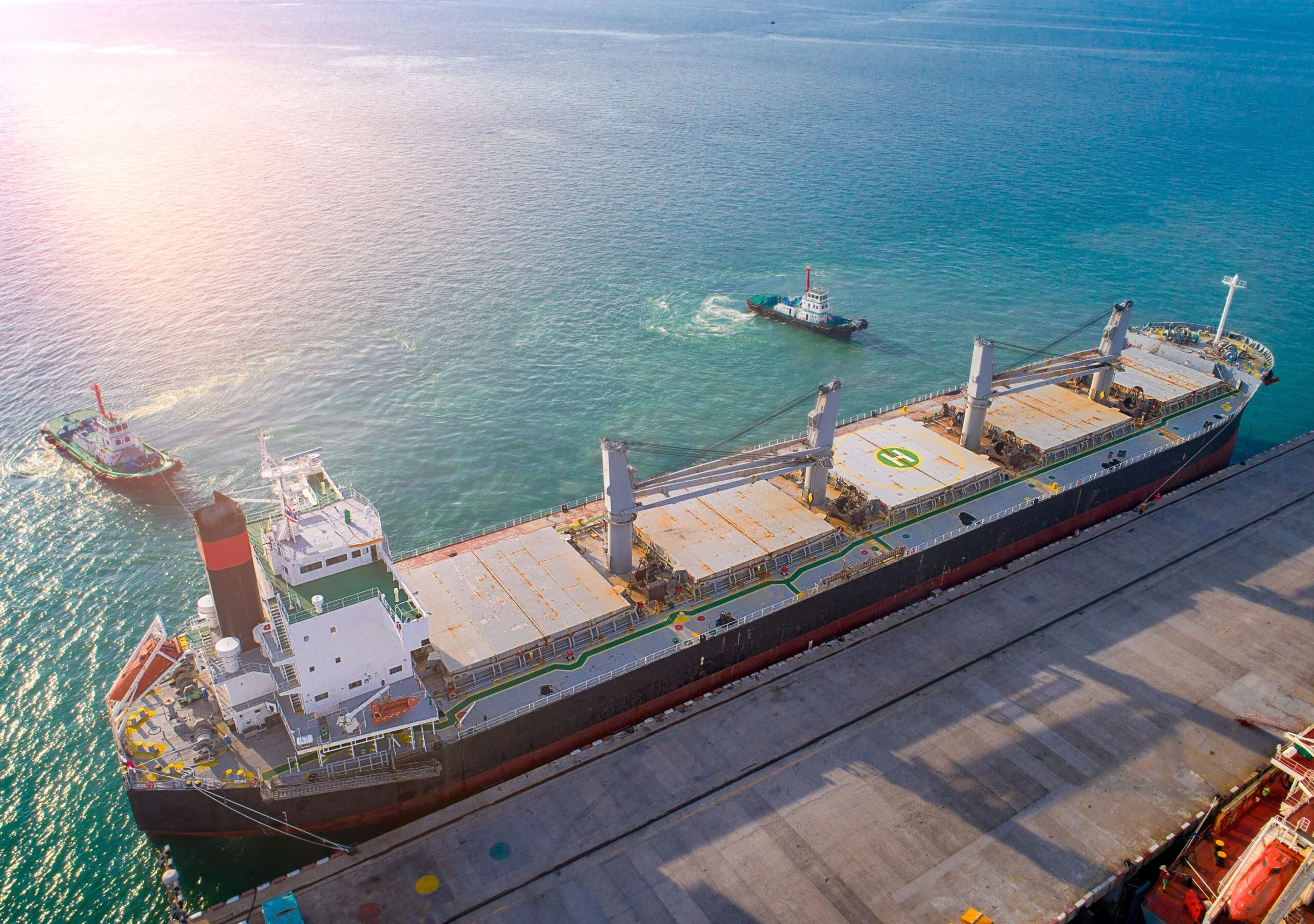
Vessels that do not stop in port often, such as ships drilling for oil for extended periods of time, do not have the luxury of having contaminated bilge water removed dockside. These vessels produce overboard discharge, which requires an oily-water separator that is made to run continuously and effectively.
The Advantage of Made-to-Run Systems
Made-to-run systems provide a significant advantage for vessels that are on the water for extended periods of time. An effective oily-water separator is paramount to remain environmentally compliant. Discharging hazardous water overboard can result in fines in excess of $3 million and potential court hearings, creating unnecessary hurdles and setbacks for companies, despite the size of the operation.
A made-to-run oily-water separator is a more expensive system but provides security and stability long-term. Without requiring repeated removal of media, maintenance costs are reduced, and labor is minimal, making port stops less necessary. The Compass Water Solutions® oily-water separator product line provides confidence in avoiding hefty fines and provides exceptional efficiency in oily-water separation for compliant overboard discharge.
Expertly Engineered Membrane Technology: ULTRA-SEP®
The Compass Water Solutions® oily-water separator product line is made-to-run, supporting vessels for voyages where overboard discharge is necessary. The Compass® oily-water separator product line is designed and customized by an in-house engineering team and can be designed to fit any footprint.
The ULTRA-SEP® oily-water separator, the primary separator of Compass®, removes free oil from bilge water with the first stage HELI-SEP® coalescing matrix, and removes fine particles through a depth process filter. The second stage SPIR-O-LATOR® membrane technology provides a positive physical barrier that reduces the risk of accidental discharge of oil and produces overboard discharge to less than 5 ppm of oil content, keeping you well within IMO MEPC 107 (.49) regulations.
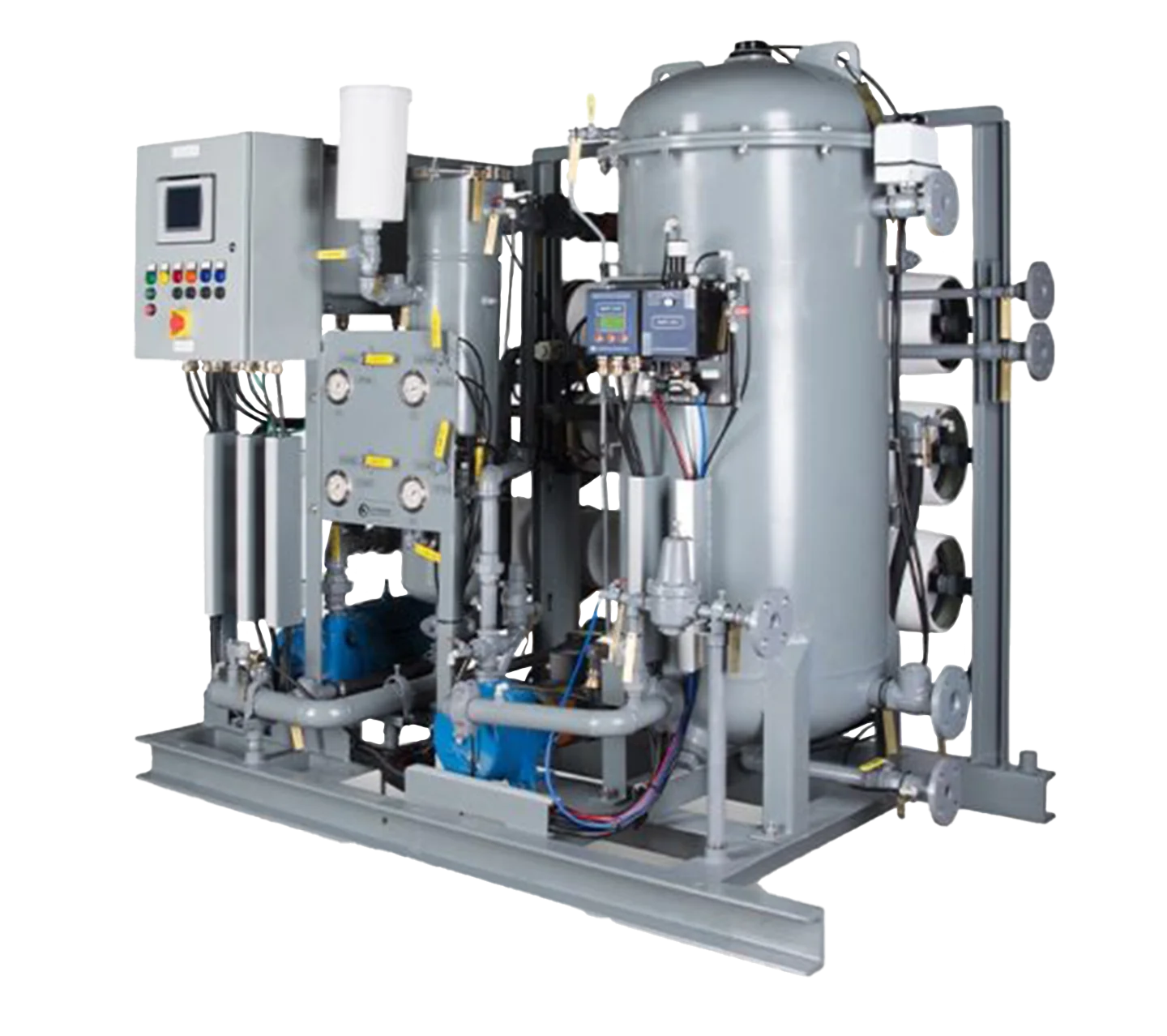
The membrane technology can be self-cleaning, initiating a cleaning process when membranes begin to build up solids. Cleaning fluid is recirculated, washing the membranes. The system can then be restarted and be ready to produce overboard discharge in as little as 30 minutes. Vessels with a Compass® oily-water separator remain compliant without needing to offload waste, saving thousands of dollars annually.
For more than fifty years, Compass Water Solutions® has been the leader for environmental and operational excellence in oily-water separation solutions using membrane-based technology. Contact us today to inquire about our oily-water separators.